A Vision for a Sustainable Future in the DRC
The Democratic Republic of Congo (DRC), endowed with immense natural resources and biodiversity, stands at a critical juncture where development must align with environmental sustainability. Among its promising initiatives is the Kivu–Kinshasa Green Corridor, an ambitious project designed to connect the eastern region of Kivu with the capital, Kinshasa, through an environmentally sustainable infrastructure network.
This corridor is more than just a transportation route — it’s a vision for a greener, more connected, and economically empowered Congo.
What Is the Kivu–Kinshasa Green Corridor?
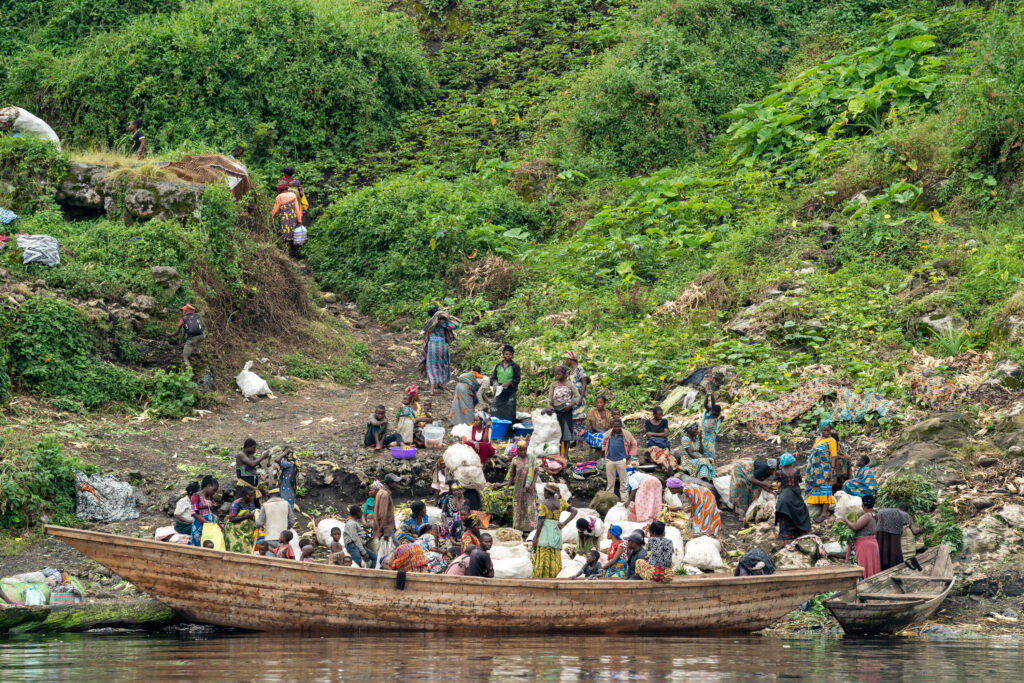
The Kivu–Kinshasa Green Corridor is a proposed sustainable development project designed to connect the resource-rich provinces of North and South Kivu with the western economic and administrative center of Kinshasa. The project integrates green infrastructure, renewable energy, reforestation programs, and environmentally-friendly transport systems along the route.
The corridor is designed to facilitate:
Efficient and eco-friendly transportation
Improved trade and logistics
Reforestation and land restoration
Green urban planning
Community empowerment and employment
Objectives of the Green Corridor
1. Promote Sustainable Mobility
The corridor aims to establish climate-resilient roads, bike paths, and potential railways that minimize carbon emissions. Electric vehicle charging stations and solar-powered infrastructure will be encouraged along the route.
2. Enhance Regional Integration and Trade
By connecting remote eastern territories to Kinshasa, the project aims to reduce transportation costs, enhance market access, and unlock the full economic potential of the Kivu provinces, which are rich in minerals, agriculture, and tourism.
3. Foster Reforestation and Ecosystem Restoration
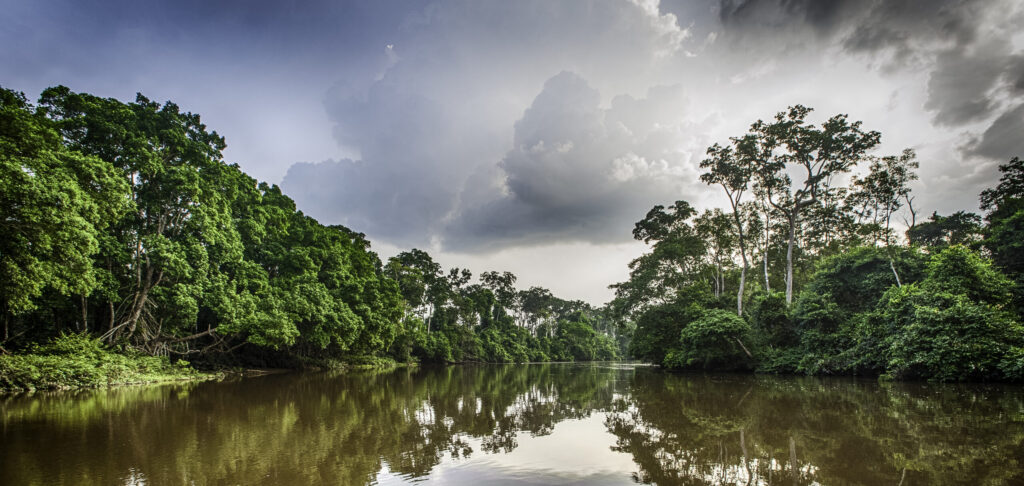
Large sections of the corridor will include reforestation zones, agroforestry projects, and protected ecological zones aimed at restoring degraded land, reducing erosion, and capturing carbon.
4. Generate Employment and Skill Development
Local communities will benefit from jobs in construction, forestry, maintenance, and tourism. Training programs will help ensure that local labor can participate in the project’s success.
5. Support Renewable Energy Development
The Green Corridor will be powered in part by solar farms, micro-hydro stations, and bioenergy initiatives to reduce dependence on fossil fuels and provide clean energy access to rural communities.
Economic and Social Impact
-
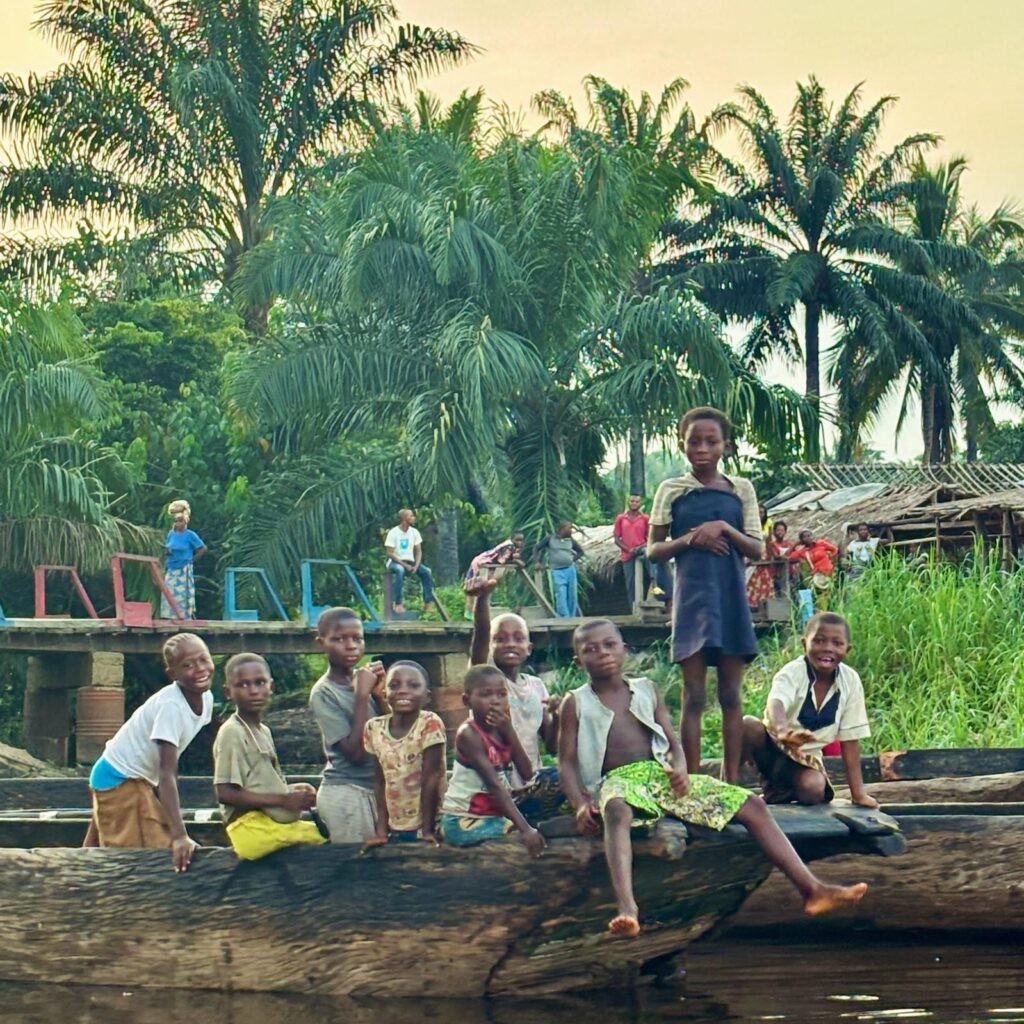
Increased rural-urban connectivity: The corridor will facilitate the movement of goods and people, reducing isolation of interior regions.
-
Agricultural growth: Farmers in the Kivu region will gain improved access to national and international markets.
-
Tourism development: Enhanced infrastructure could boost ecotourism in areas like Virunga National Park, Lake Kivu, and surrounding natural sites.
-
Climate change mitigation: Through carbon offset projects and sustainable land use.
Challenges and Considerations
Despite its potential, the Green Corridor project faces several challenges:
Security concerns in eastern DRC may complicate construction and monitoring.
Funding and investment gaps must be bridged, potentially with international donors, public-private partnerships, or green bonds.
Environmental safeguards must be strictly implemented to avoid deforestation and displacement of communities.
Coordination between local, provincial, and national governments will be crucial for long-term success.
Conclusion
The Kivu–Kinshasa Green Corridor represents a bold step toward a sustainable and integrated future for the DRC. By merging environmental consciousness with economic strategy, this initiative has the potential to transform communities, protect nature, and pave the way for a green economy.
For the DRC, a country with immense challenges but also unparalleled opportunities, the Green Corridor could become a symbol of hope, resilience, and innovation.
Our Partners